Coherence in Complexity.
Building epistemic and structural capacity for democratic and social resilience in an increasingly complex world.
Localism
Making the abstract and distant, local and particular.
+
Epistemics
Making the complex and overwhelming, navigable and coherent.
+
Dynamicism
Making the static and unilateral, responsive and dynamic.
BUILDING CAPACITY FOR A CENTURY OF COMPLEXITY
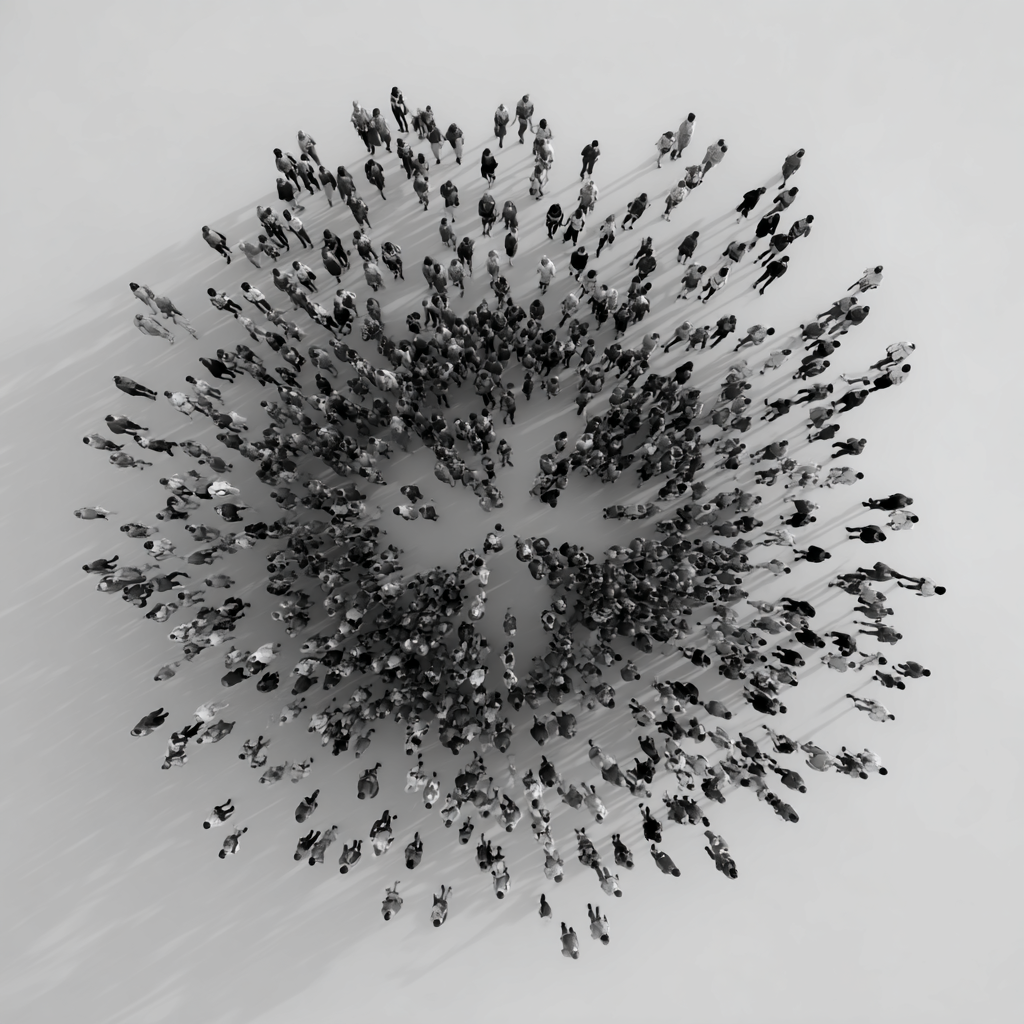
The world is growing more complex: more connected, more data-dense, more interdependent, and more exposed to rapid technological and environmental change. But complexity itself is not the problem. The problem is whether societies can evolve through it coherently. That capacity, epistemic and institutional and social and democratic, is what determines whether complexity produces adaptation or fragmentation. The Complexity Project is building the conditions to move towards greater coherence.

DEMOCRACY AND TRUST, BUILT LOCALLY
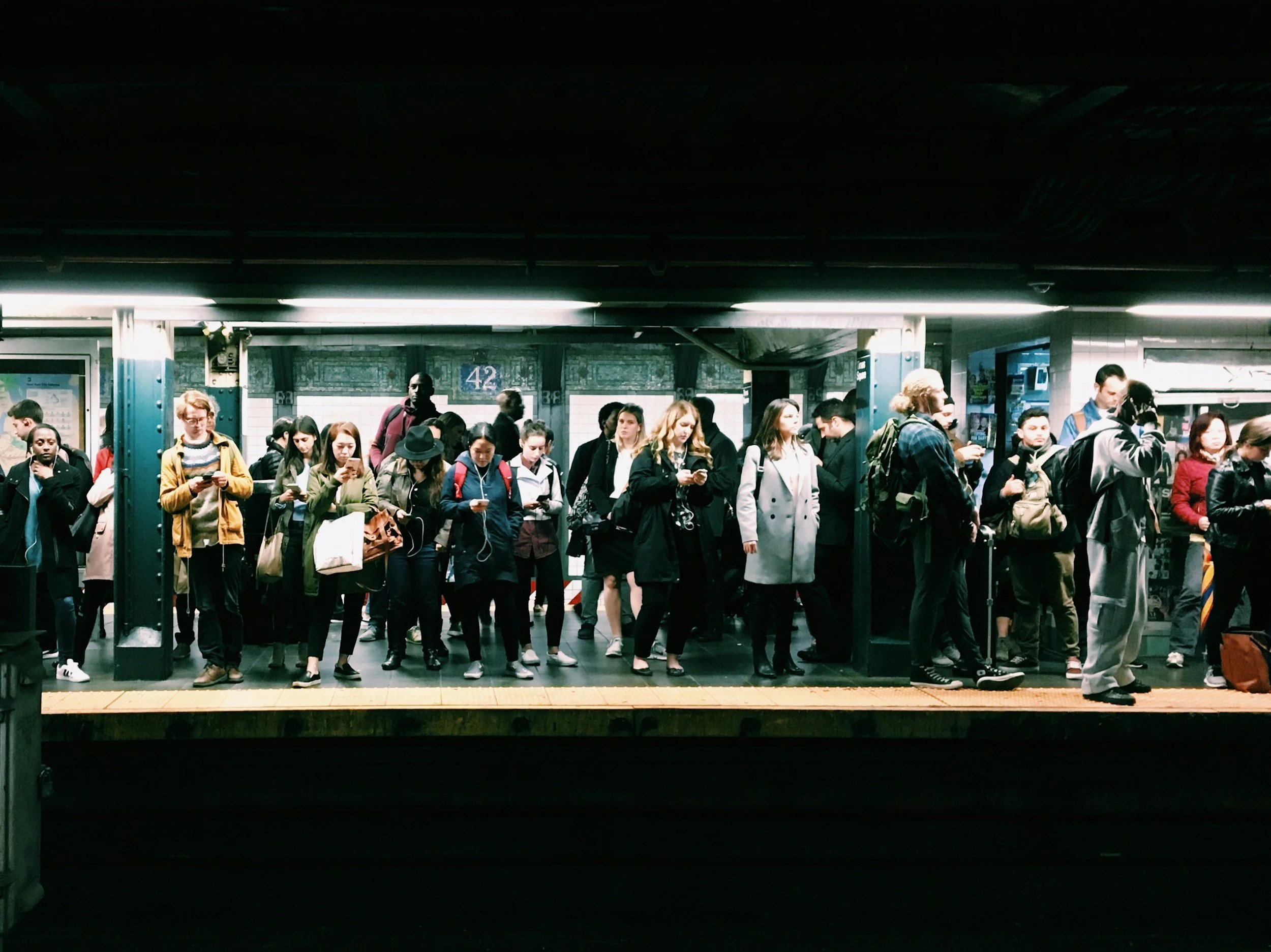
Due to scale, distance, and complexity, most people cannot perceive the whole of modern politics or society. Coherence has to be rebuilt where perception is possible: in the places people live and in the minds people think with.
At the local level, the scale of decisions matches the scale of consequences and meaningful participation becomes possible. The Complexity Project's first structural framework embeds permanent, representative Citizens' Assemblies into local governance, giving communities a manageable and meaningful part of the whole to deliberate on, and rebuilding trust in our own judgment as citizens, in institutions, and among neighbors.
The other local is the individual mind. Holding a whole system in clear view is an increasing challenge, so we are building frameworks and tools that make complex political questions perceivable.